Get Heat Tape Installation
Heat tape installation services help property owners prevent pipe freezing and ice buildup by enabling local contractors to install heat tape in residential or commercial projects.
If property owners are considering heat tape installation, they are likely exploring practical solutions to prevent pipe freezing and water damage during colder months. Properly installed heat tape can help maintain the integrity of plumbing systems, reducing the risk of costly repairs and disruptions. This service is often sought by those planning winter preparations or looking to protect vulnerable areas of their property, making it an important step in maintaining a safe and functional environment.
For those in the area evaluating their options, connecting with experienced local contractors can provide valuable insights into the best approaches for heat tape installation. Comparing qualified service providers allows property owners to find solutions tailored to their specific needs and property types. Continuing to explore local options ensures that the project is handled efficiently and effectively by professionals familiar with the local climate and building requirements.
- Residential properties - homeowners may need heat tape installation to prevent pipe freezing during cold weather.
- Commercial buildings - businesses might require heat tape to protect plumbing systems in unheated or exposed areas.
- Garages and workshops - these spaces often need heat tape to avoid pipe damage caused by low temperatures.
- Outdoor water lines - outdoor plumbing exposed to the elements can benefit from heat tape to prevent freezing.
- Unheated crawl spaces and basements - these areas may need heat tape to maintain safe and functional plumbing.
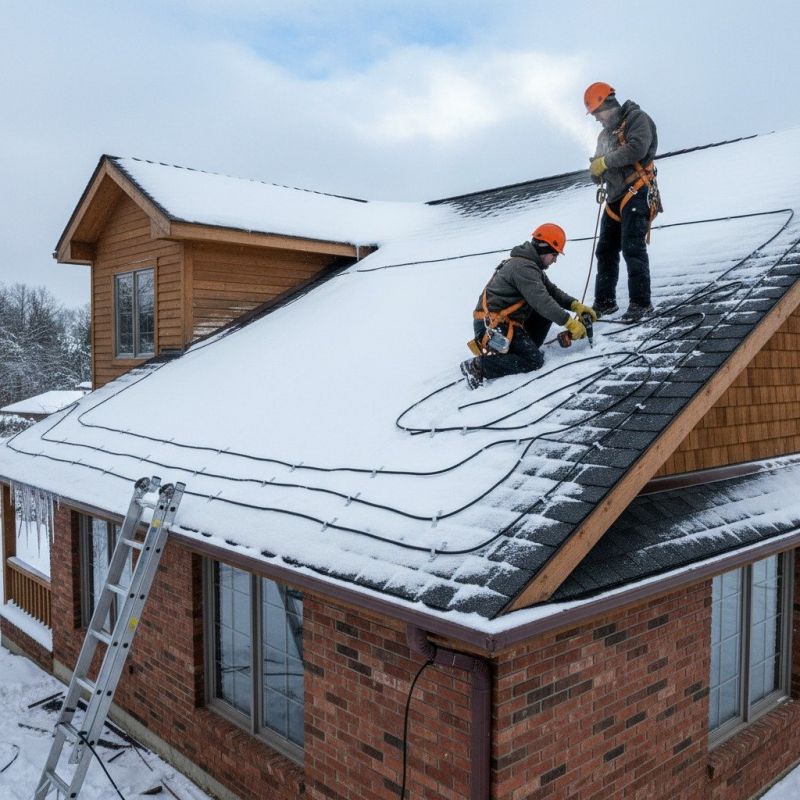
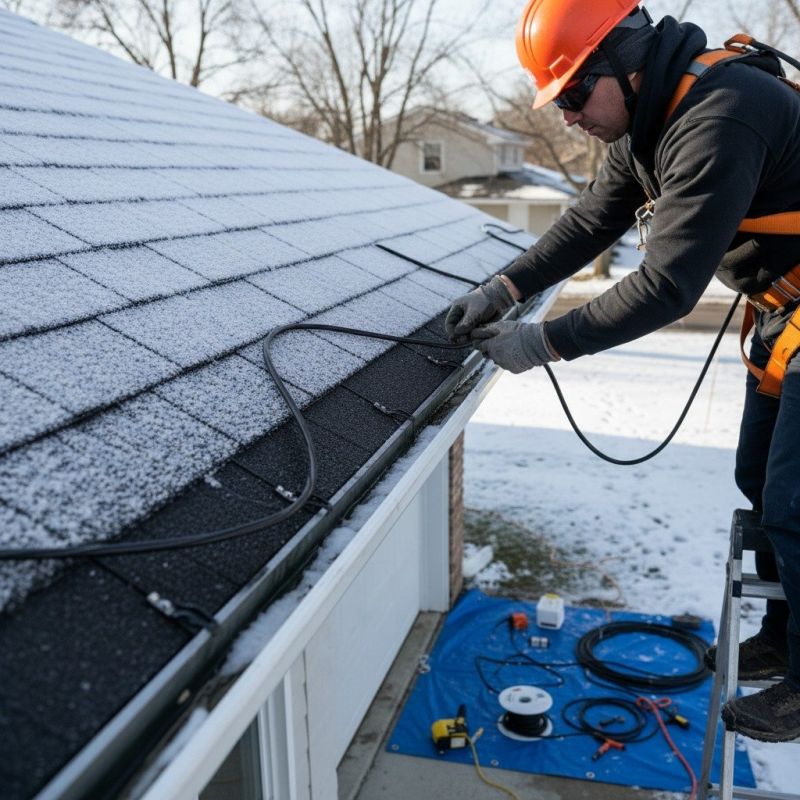
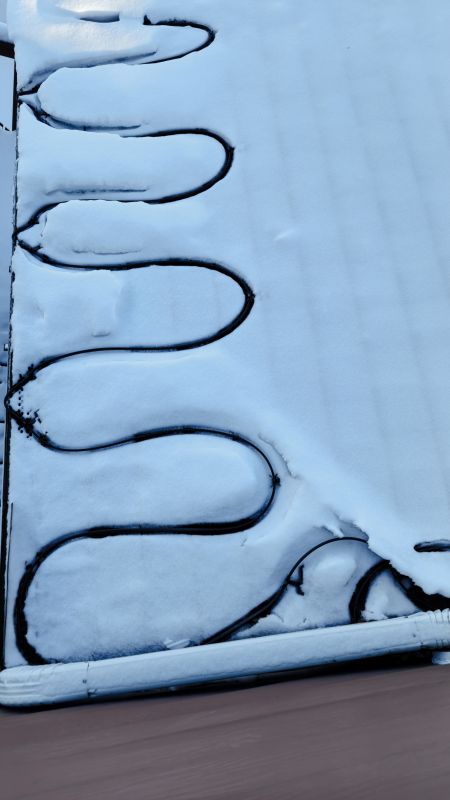
Heat tape installation services involve setting up specialized electrical heating cables along areas prone to freezing or ice buildup. These cables are designed to provide consistent warmth to prevent the formation of ice and snow accumulation on surfaces such as driveways, walkways, roofs, and gutters. The installation process typically includes evaluating the property’s specific needs, laying out the heat tape in strategic locations, and connecting it to an appropriate power source. This service helps ensure that these critical areas remain clear and safe during cold weather, reducing the risk of slips, falls, and ice-related damage.
One of the primary issues heat tape helps address is ice dam formation on roofs. When snow melts unevenly due to heat escaping from the attic or other areas, it can refreeze at the roof’s edge, creating ice dams that trap additional melting snow. This buildup can lead to water leaks, roof damage, and costly repairs. Heat tape installed along roof edges and gutters can prevent ice dams by keeping these areas warm enough to allow snow to melt and drain properly. It also helps prevent dangerous icy patches on walkways and stairs, making outdoor spaces safer during winter months.
Properties that typically use heat tape installation include residential homes, especially those in regions with harsh winters. Single-family houses often benefit from heat tape on gutters and driveways to prevent ice buildup and ensure safe access. Multi-family residences, such as apartment complexes, may also require heat tape to maintain safe walkways and prevent ice-related liabilities. Additionally, commercial properties like retail stores, warehouses, and office buildings often install heat tape on loading docks, entrances, and roof edges to protect property and ensure safety for employees and visitors.
Homeowners and property managers might consider heat tape installation when facing recurring issues with ice accumulation or when seeking a reliable way to maintain safe outdoor conditions during winter. It is especially useful in areas where traditional snow removal methods are insufficient or impractical. By working with local contractors who specialize in heat tape installation, property owners can choose the right solutions tailored to their specific needs, helping to prevent winter-related hazards and property damage.
The overview below groups typical Heat Tape Installation projects into broad ranges so you can see how smaller, mid-sized, and larger jobs often compare in your area.
In many markets, a large share of routine jobs stays in the lower and middle ranges, while only a smaller percentage of projects moves into the highest bands when the work is more complex or site conditions are harder than average.
Smaller Repairs - Typical costs for minor heat tape repairs or small installation jobs generally fall between $250 and $600. Many routine projects land within this range, though prices can vary based on the specific needs of the property.
Standard Installation - The average cost for installing heat tape on a standard-sized roof or gutter system usually ranges from $600 to $1,500. Local contractors often complete these projects within this band, with some variation depending on property size and complexity.
Full System Replacement - Replacing an entire heat tape system can cost between $1,500 and $3,500 for most residential projects. Larger or more complex installations, such as commercial properties, may reach $5,000 or more, though fewer projects typically fall into this highest tier.
Complex or Custom Projects - Larger, more intricate heat tape installations, including custom wiring or extensive coverage, can exceed $5,000. These projects are less common and usually involve specialized requirements handled by experienced local service providers.
Actual totals will depend on details like access to the work area, the scope of the project, and the materials selected, so use these as general starting points rather than exact figures.
Roof Snow Melting Systems - These projects involve installing heating elements on roofs to prevent snow accumulation, requiring similar planning and wiring skills as heat tape installation.
Pipe Insulation and Heating - Installing heating cables inside pipes to prevent freezing shares techniques with heat tape setup, including electrical connections and safety considerations.
Gutter Heating Solutions - Applying heating cables to gutters to prevent ice dams involves similar tools and planning as heat tape installation on exterior surfaces.
Driveway and Sidewalk Heating - Installing heating mats or cables under surfaces to melt snow and ice parallels the process of heat tape installation for property safety.
Water Line Freeze Protection - Protecting outdoor water lines with heating cables involves similar wiring and placement skills as heat tape projects.
Outdoor Electrical Heating Systems - Setting up various outdoor heating elements for frost protection requires comparable planning, wiring, and installation techniques as heat tape services.
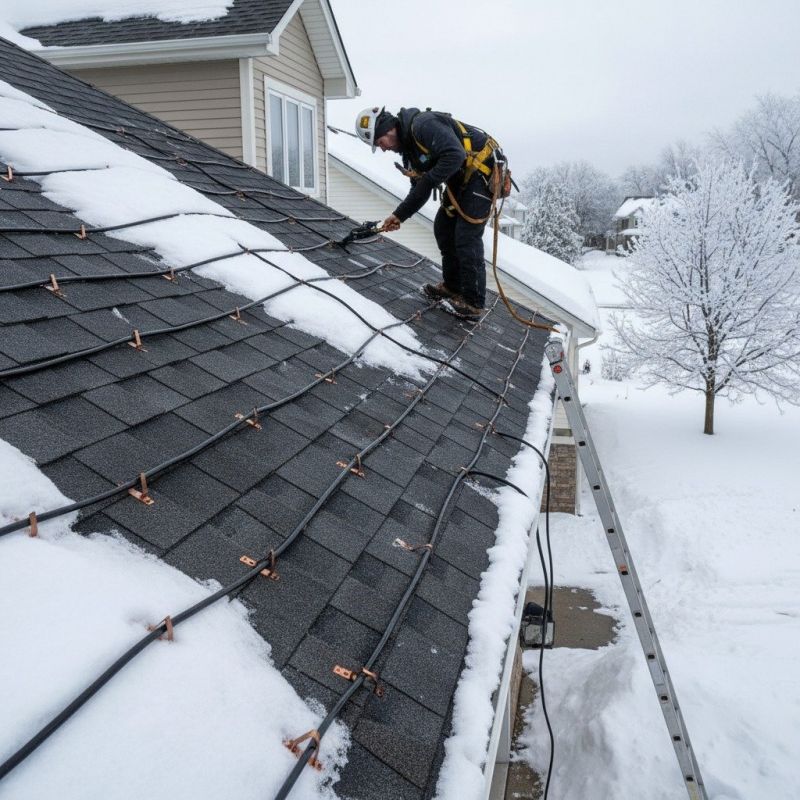
When evaluating service providers for heat tape installation, it’s important to consider their experience with similar projects. Homeowners should inquire about the contractors’ background in installing heat tape in environments comparable to their own, whether that involves specific roof types, gutter configurations, or climate considerations. A contractor with relevant experience is more likely to understand the nuances of proper installation, ensuring the system functions effectively and reduces potential issues down the line. Checking how long a local contractor has been performing these types of installations can also provide insight into their familiarity with best practices and common challenges.
Clear, written expectations are essential for a smooth project. Homeowners should seek out service providers who can provide detailed estimates or proposals that outline the scope of work, materials to be used, and any relevant warranties or guarantees. Having this information in writing helps prevent misunderstandings and ensures that both parties are aligned on what will be accomplished. It’s also beneficial to ask about the contractor’s process for handling unforeseen issues or changes during the project, which can help set realistic expectations and foster transparency throughout the work.
Reputable references and good communication are key factors when choosing a local contractor for heat tape installation. Homeowners can ask service providers for references from previous clients who had similar work done, providing an opportunity to learn about their experiences and satisfaction levels. Additionally, observing how promptly and clearly a contractor responds to questions or concerns during the inquiry process can indicate their level of professionalism and commitment to customer service. While the site introduces homeowners to local options, it’s important to remember that the selection process relies on personal research and interaction to identify the best match for the specific project needs.
Property owners use Heat Tape Installation services for practical projects around their homes and businesses. This guide focuses on everyday jobs and straightforward project options.
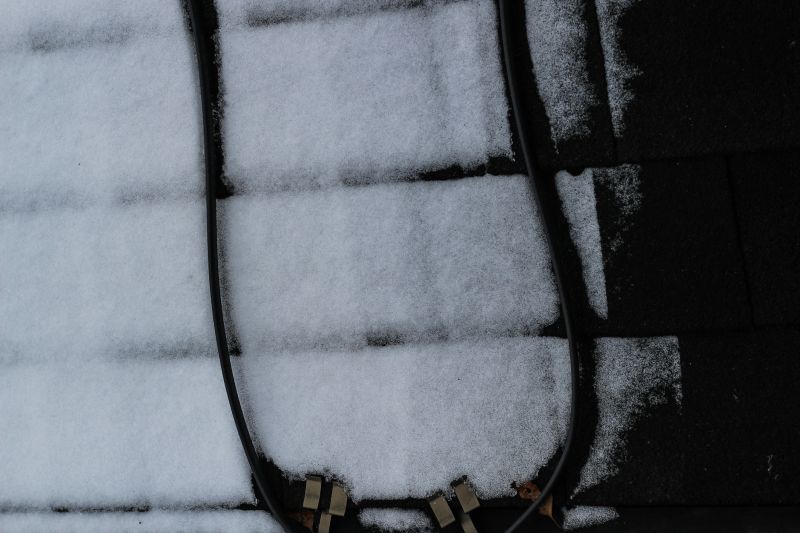
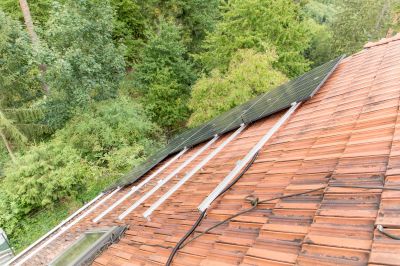
Heat tape installation services are often needed by property owners dealing with winter weather challenges, such as preventing ice dams on roofs or stopping ice buildup in gutters and walkways. Homeowners and business owners may seek out local contractors to help keep pathways safe and reduce the risk of damage caused by ice and snow accumulation. These projects are common in areas with cold winters, where reliable heat tape can make a significant difference in maintaining safety and property integrity during harsh weather conditions.
Many property owners turn to local service providers when they notice issues like frozen pipes or ice-covered stairs that pose safety hazards. Installing heat tape is a practical solution to address these problems, especially for those wanting a straightforward way to prevent costly repairs or dangerous conditions. Local contractors experienced in heat tape installation can help ensure the system is properly set up to work effectively throughout the winter months.
What is heat tape installation used for? Heat tape installation helps prevent pipes from freezing and bursting during cold weather by providing consistent warmth along plumbing lines.
How do local contractors typically install heat tape? Contractors usually assess the piping layout, select the appropriate heat tape, and securely attach it following manufacturer instructions for optimal performance.
Is heat tape installation suitable for all types of pipes? Heat tape can be used on most residential water pipes, but a professional can determine compatibility based on pipe material and location.
What safety considerations are involved in heat tape installation? Proper installation by local service providers ensures electrical safety standards are met and reduces the risk of fire or damage.
How can I find local pros for heat tape installation? This website helps connect with nearby contractors experienced in heat tape installation to handle the job efficiently.
Preventing Ice Dams - Property owners can have local contractors install heat tape along roof edges to reduce the buildup of ice and snow, protecting gutters and roofing materials.
Unfreezing Pipes - Heat tape can be used to keep vulnerable pipes warm during cold weather, helping to prevent pipe bursts and water damage inside the building.
Snow Melting on Walkways - Installing heat tape on stairs and walkways can help melt snow and ice, reducing slip hazards around the property.
Maintaining Consistent Warmth - Heat tape offers a practical solution for keeping specific areas warm during winter, ensuring safety and accessibility throughout the season.
If you are thinking about Heat Tape Installation for a property, this guide is meant to help you understand the work, the typical project types, and how different options might fit your plans.
When you are ready, you can use the quote form on this page to share a few details about your project. From there, local pros can review the basics and respond with options that match what you have in mind.